Splitters Farm Tours

205 Blairs Road, Sharon, Queensland 4670

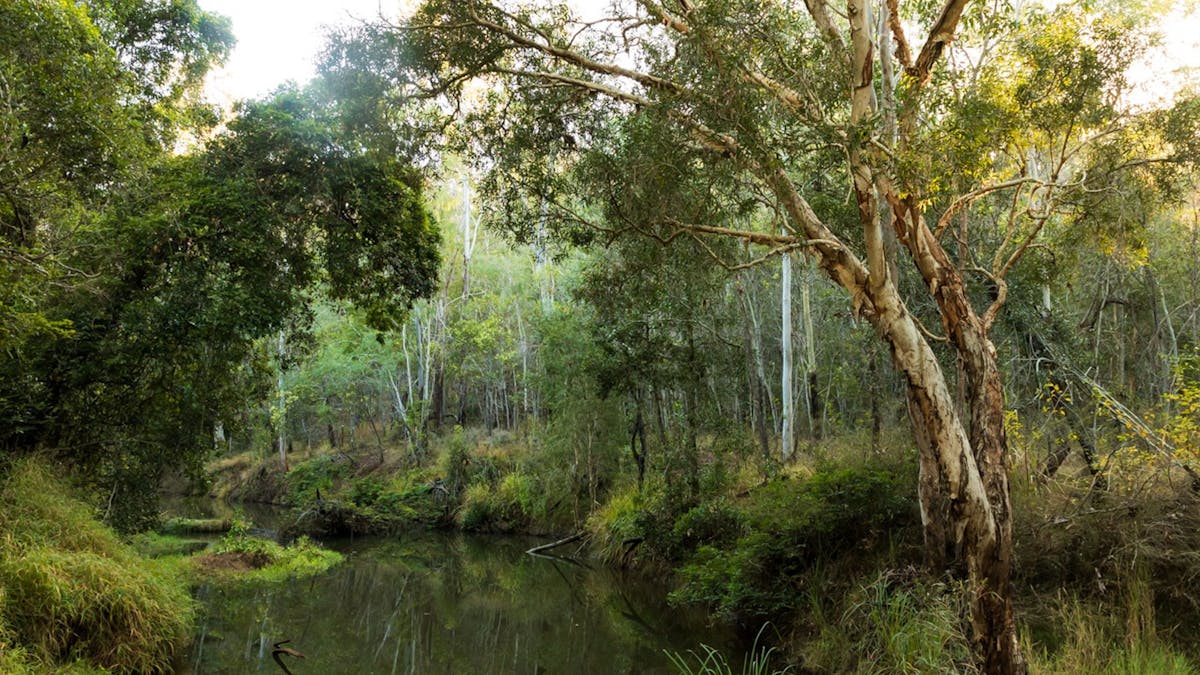
Splitters Farm is a 160-acre property bordered by Splitters Creek, a freshwater nature reserve that feeds into Bundaberg’s beautiful Burnett River.

Splitters Farm first started in 2017 as a safe haven and sanctuary for rescued farm animals who had been neglected, abused or victims of their owners change of circumstances. Most, however, have come to Splitters Farm as the result of drought and the subsequent financial burden for farmers to feed their livestock.

The farm offers a self-guided entry seven days a week where you make your way from paddock to paddock at your own pace feeding animals and meeting the many characters of Splitters Farm. This option begins with a 5min safety briefing and guests are given some information to enable them to navigate the farm.

Guided tours run each weekend at 10:30am where a friendly guided personally introduces visitors to the rescue animals and takes you for a behind-the-scenes look where you can also collect eggs, taste honey and learn more about farm life. A photographers dream please bring a camera, drink, sunscreen, hat and covered shoes.

The acreage is a working cattle farm and, in addition to its rescued barnyard animals, is home to native Australian animals including wallabies, platypus, barramundi, prehistoric lung fish and boasts over 150 documented species of Australian bird life.

Tours

Facilities

  • Barbeque
  • Caravan / Camper Trailer / Campervan Sites / Campsites
  • Carpark
  • Coach Parking
  • Enquiry Desk
  • Food and Refreshments
  • Lawn / Gardens
  • Parents Room
  • Picnic Area
  • Public Toilet
  • Shop / Gift Shop
  • Showers

Actively welcomes people with access needs.

  • Accept the Companion Card
  • Offer a range of contact methods for receiving complaints
  • Offer multiple options for booking - web, email, phone
  • Provide assistance with booking arrangements (includes providing clear itineraries with written instructions on what to do at various destinations)
  • Train your staff in disability awareness

Caters for people with allergies and intolerances.

  • Adhere to The Food Authority requirements for allergy management in food preparation
  • Have equipment to respond to anaphylactic shock such as epi–pens and defibrillator
  • Modify your cooking and cleaning practices to cater for people with food allergies or chemical intolerances (could include menus with meals free from: nuts, dairy, seafood, eggs, gluten etc)
  • Provide linen that is chemical and fragrance free (if requested)
  • Provide toiletries which are chemical and fragrance free (if requested)
  • Train your staff to respond to allergic reactions
  • Use organic (chemical and fragrance free) cleaning products
  • Use organic (chemical and fragrance free) deodorisers in public areas and rooms

Welcomes and assists people who have challenges with learning, communication, understanding and behaviour. (includes people with autism, intellectual disability, Down syndrome, acquired brain injury (ABI), dyslexia and dementia)

  • A quiet space is available at the venue/ facility
  • Train your staff in communicating with people with learning or behavioural challenges
  • Use Plain English / easy read signage and information (includes menus and emergency information)