Agritourism is no longer just about opening the farm gate.
Across the world, it is becoming a powerful way to connect visitors with food, farming, rural communities and place – while helping producers diversify income, strengthen resilience and share the real stories behind what they grow, make and produce.
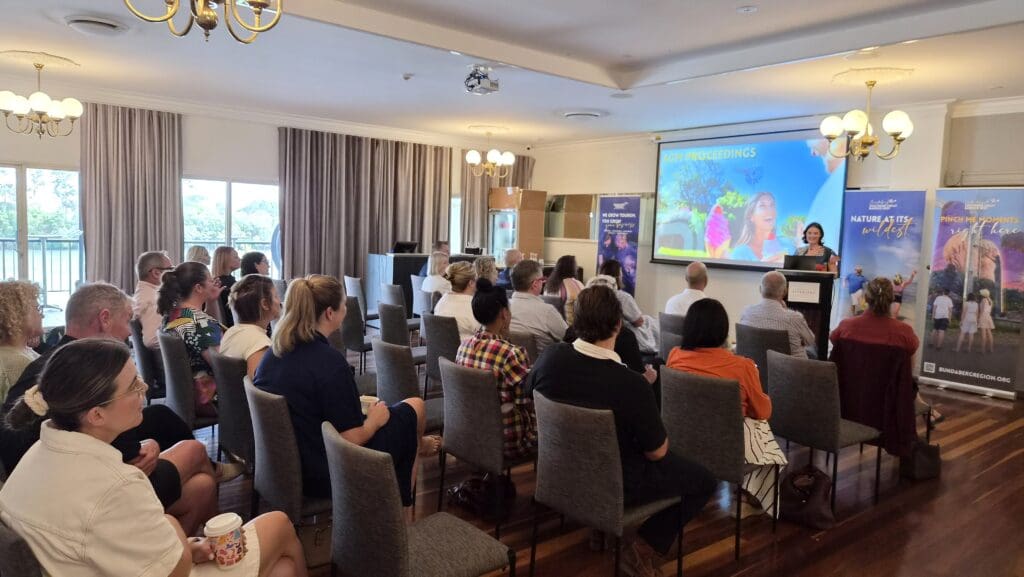
This was the clear message from the Global Agritourism Conference 2026, held in Aberdeen, Scotland, where farmers, tourism professionals, researchers, policy makers and destination leaders came together to explore the future of agritourism. The conference brought together delegates from across the world to discuss policy, country benchmarking, farm retailing, farm cafes, tours and experiences, data, marketing, innovation and rural resilience.
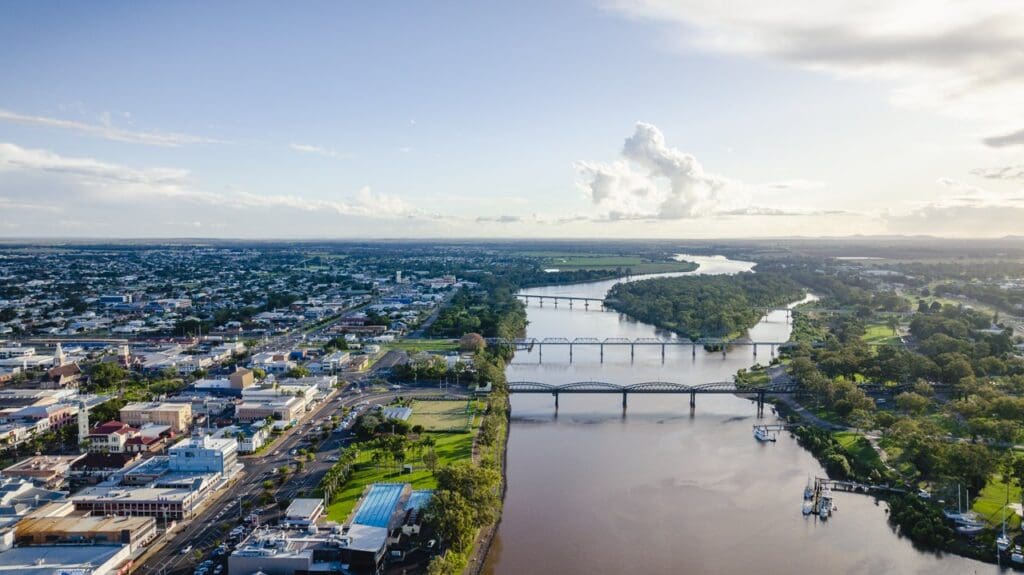
For Bundaberg and the North Burnett, the relevance is obvious.
We are one of Australia’s most productive food bowls, home to growers, makers, farmers, fishers, brewers, distillers, producers and family-owned businesses whose stories are deeply connected to land, sea and community.
The opportunity is significant, but the global message was equally clear: agritourism does not grow by accident.
Agritourism Is Agriculture’s Communication Tool
One of the strongest ideas from the conference was simple:
“Agritourism is no longer just tourism. It may become agriculture’s most important communication tool.”
That line captures the real power of agritourism.
At its best, agritourism helps visitors understand where food comes from, how farms operate, why rural communities matter, and what pressures producers face. It creates a direct connection between people, product, produce and place.
For Bundaberg, this is especially important. Our food bowl story is one of the region’s greatest strengths, but the future opportunity is not just to tell visitors that food is grown here. It is to help them meet the people behind the produce, walk the land, taste the region, understand the work, and leave with a stronger connection to where their food comes from.
Agriculture First, Tourism as the Connector
A consistent theme across global case studies was that successful agritourism keeps agriculture at the centre.
The farm, the produce, the people, the landscape and the story are the reason visitors come. Tourism is the connector, creating the platform for education, experience, income diversification and stronger community connection. This is an important distinction.
Agritourism is not about turning every farm into a tourism business. It is about supporting those producers who want to diversify, share their story, create new value and connect with visitors in a way that is authentic and viable.
For Bundaberg and the North Burnett, that could include farm gate experiences, producer tours, farm stays, food and drink experiences, pick-your-own, farm cafes, paddock-to-plate dining, seafood and aquaculture experiences, farmers markets, beverage trails and rural events.
Global Lessons for Local Operators
Across countries including Scotland, Taiwan, India, the United States, the Philippines, Puerto Rico, Italy, Australia and more, several common themes emerged.
Visitors are increasingly seeking authentic, local and hands-on experiences. Farmers are looking for ways to diversify income and build resilience. Destinations are recognising that food, farming and rural stories are powerful drivers of visitation. Governments are also beginning to understand that agritourism cuts across agriculture, tourism, planning, food safety, roads, insurance, small business and regional development.
That cross-sector nature is both the opportunity and the challenge.
One of the strongest policy messages was that beautiful legislation does not build businesses. Good policy matters, but producers also need practical support on the ground: mentoring, capability building, planning guidance, digital visibility, visitor experience development, and clear pathways from idea to market.
Another useful phrase from the conference was the need to move from “no” to “how”.
For agritourism to grow, the question should not simply be whether farms can welcome visitors. The better question is: how can we support farms to safely, sustainably and practically welcome visitors in a way that protects agriculture, strengthens business and enhances the visitor experience?
Data Matters
One of the clearest Australian takeaways was that the sector still lacks strong supply-side data.
Australia does not yet have a precise, verified national count of agritourism farms. The conference notes highlighted that while Australia has momentum, it cannot accurately state what percentage of its farms are already participating in agritourism.
That matters because data helps build investment cases, identify barriers, shape policy and understand where support is needed.
For Bundaberg and the North Burnett, a practical next step could be building a regional agritourism baseline: who is already active, who is interested, what experiences exist, what barriers are stopping growth, and what support would help producers move from idea to visitor-ready experience.
Farm Retail and Food Experiences Are Powerful Gateways
Farm shops, farm cafes, night markets and producer-led events were also strong themes.
The conference highlighted that farm retail is not just about selling product. It can build trust, showcase suppliers, create repeat visitation, support local food systems and help visitors understand the story behind what they are buying.
For Bundaberg operators, this is a major opportunity.
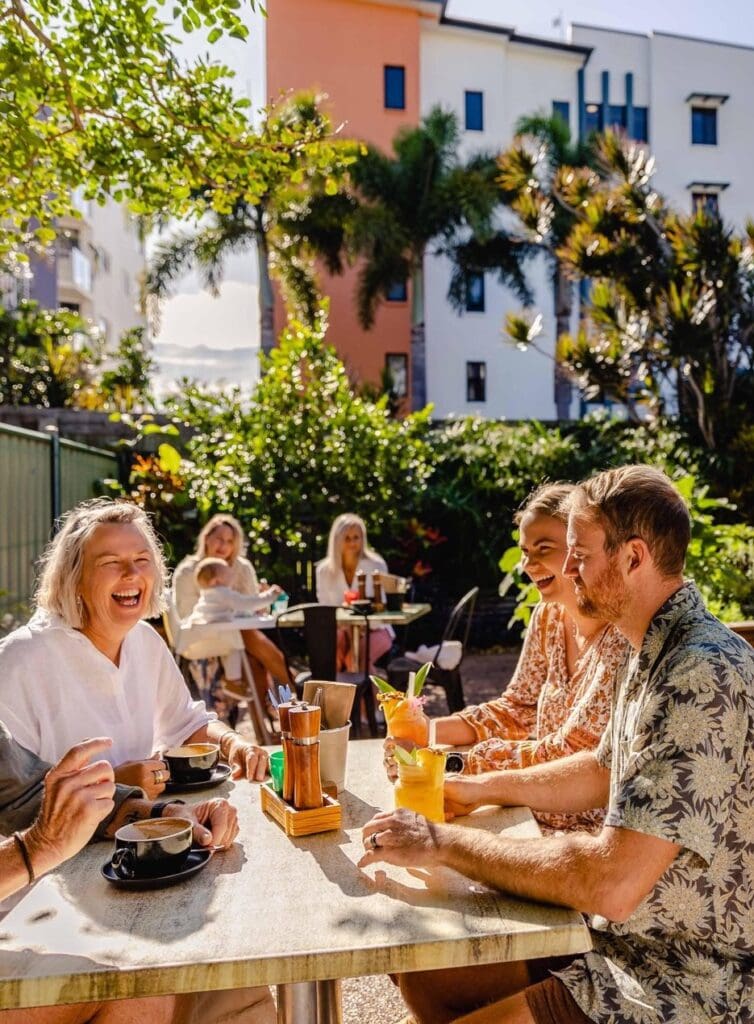
Visitors are increasingly looking for experiences that feel local, seasonal and connected to place. Farm retail and food experiences can become powerful entry points into the region’s broader agritourism story, especially when they are supported by strong storytelling, good imagery, clear visitor information and easy digital discovery.
What This Means for Bundaberg Operators
Bundaberg and the North Burnett already have many of the ingredients needed to grow agritourism:
- Productive farms and food producers;
- Iconic food and drink brands;
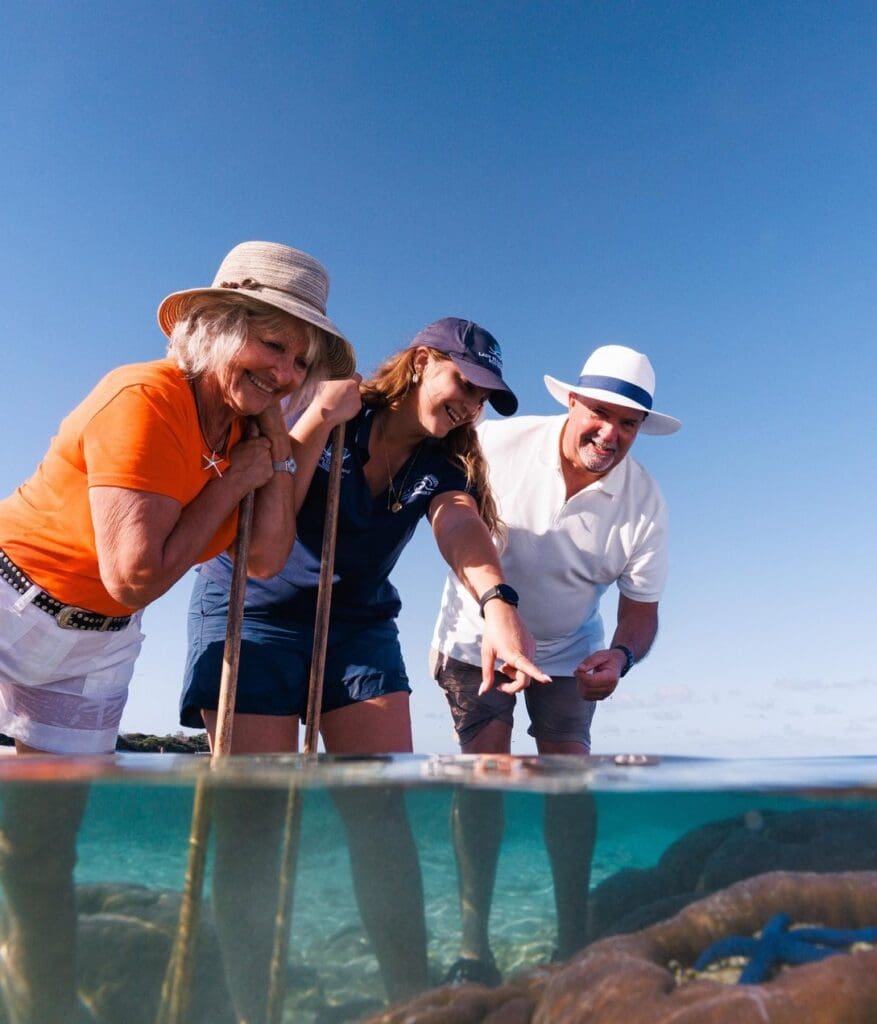
- Reef, turtle and nature-based experiences;
- Strong local identity;
- Emerging farm gate and producer-led experiences;
- Growing interest in meaningful, local and hands-on travel.
The next step is to build the support system around that opportunity.
For operators and producers, this means thinking about:
- What story visitors can experience, not just hear about;
- How your product, produce, people or place could become part of a visitor journey;
- Whether your business is ready to safely and confidently welcome visitors;
- How easy it is for visitors to find you online;
- Whether your Google, Tripadvisor, ATDW and social channels are current;
- What partnerships could help package your experience with others;
- What barriers are stopping you from taking the next step.
For the region, it means continuing to work across industry, councils, state agencies, producer groups and tourism partners to support practical pathways for agritourism growth.
The Bottom Line
Bundaberg’s agritourism opportunity is not a future idea. It is already here – in our farms, our food, our drinks, our landscapes, our reef-connected story and our people.
The global lesson is that agritourism works best when it is practical, authentic and agriculture-led.
For Bundaberg and the North Burnett, the opportunity is to help visitors go beyond tasting the region, and truly understand where it comes from.
And that is where agritourism becomes more than tourism. It becomes connection, education, diversification and regional storytelling in action.